
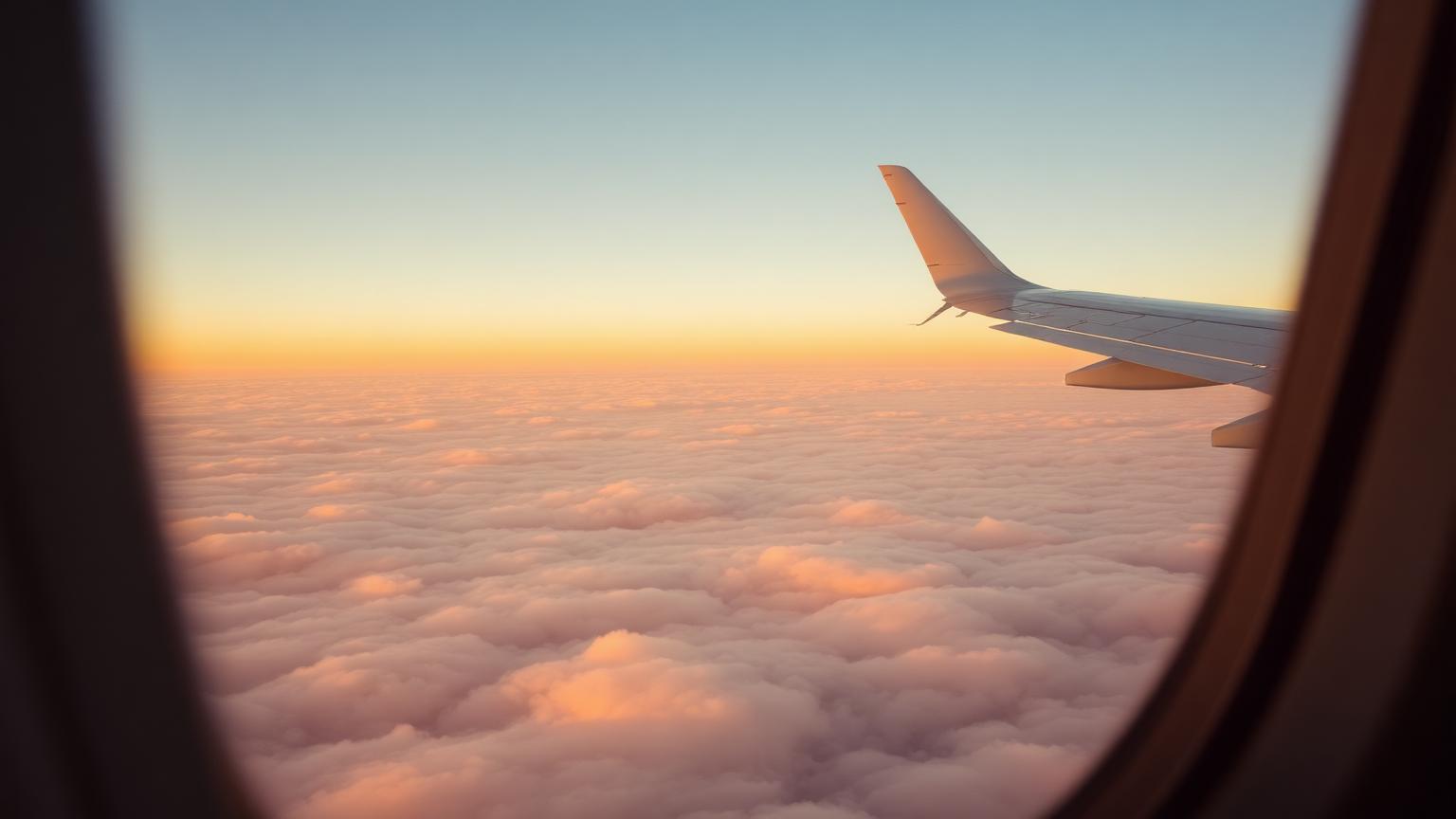



The root causes of fear of flying most people miss
Fear of flying is almost never about planes. The brain doesn't fear the aircraft – it fears whatever meaning the aircraft has come to represent. Most commonly that's loss of control, being trapped, or a specific moment from the past where something felt life-threatening (sometimes during a flight, often nowhere near one).
Once your subconscious tags „flying“ as a category of „dangerous loss of control“, every booking, every airport, every takeoff cues that same alarm – long after the original reason has expired.
RTT® works by finding the original moment your nervous system installed that meaning and updating it. The fear doesn„t get “managed' – the meaning changes, and the alarm stops being triggered by the same cue.
How fear of flying actually shows up
Most clients describe a fear that gets bigger the closer the flight gets. Booking is hard. The week before is worse. The night before, sleep is shallow. By boarding, the body is in full alarm and every bump becomes confirmation that something is wrong.
The cost isn't just discomfort. Most clients have already missed weddings, opportunities, family visits, or holidays – and have started constructing their life around avoidance without quite admitting it.
- Panic just at the thought of booking a flight
- Sleeping pills or alcohol to cope with takeoff
- White-knuckling every patch of turbulence
- Pre-flight rituals that don't really help
- Avoiding work trips, weddings, or family visits that require flying
- Anticipatory anxiety that builds for weeks before
Why fear-of-flying courses and tips eventually stop working
Aviation-safety facts, breathing exercises, distraction techniques – they help some clients some of the time, and they're worth keeping. They reach a ceiling for one reason: the part of you generating the fear is not the part that processes statistics. The subconscious is older, faster, and not interested in a turbulence-physics explainer when it's already decided this is dangerous.
RTT works at the subconscious layer where the meaning is stored. Once that updates, the conscious tools you keep using start to actually land.
What RTT does differently for fear of flying
RTT combines hypnotherapy, NLP, CBT, psychotherapy and modern neuroscience. Phobias respond particularly well because they are usually built around a single, traceable belief – exactly the kind of thing hypnosis can find and update efficiently.
We regress to the original moment the meaning was set, update what your younger self decided, install a new response (calm, trust, presence), and record it as a personalised audio you can listen to before flights.
A typical RTT session for fear of flying
Sessions run 90 to 120 minutes online. We start by mapping the precise shape of the fear – what triggers it most, what calms it briefly, what you've already tried. Then hypnosis. You stay aware and in control throughout.
We visit the scene where the meaning was first set (often surprisingly unrelated to flying), update it, install a calm response, and record your personalised audio. You listen daily for 21 days – and can play it before take-off.
The 21-day audio, and using it before a flight
The audio anchors the new calm response. Most clients listen daily for 21 days after the session, and then specifically before any upcoming flight – in the airport lounge, during boarding, in the seat before takeoff.
It works because the same brain-wave state hypnosis uses is naturally accessible just before sleep and during the early minutes of relaxation – exactly the state you want available when you sit down on a plane.
Results timeline for fear of flying
Many clients resolve fear of flying in a single session. Some feel calm immediately; some notice the real change on the first flight after.
Within the 21-day audio cycle, most clients describe the fear as dramatically reduced or absent. Long-standing or trauma-rooted cases sometimes benefit from a second session 4–6 weeks later.
When RTT isn't enough on its own
If fear of flying is part of a wider panic disorder, severe PTSD, or untreated anxiety, we sometimes recommend addressing the broader pattern in parallel with – or before – flying-specific work. We'll discuss this in the discovery call.
If your foundations are stable, fear of flying is usually one of the most rapidly resolvable phobias with RTT.